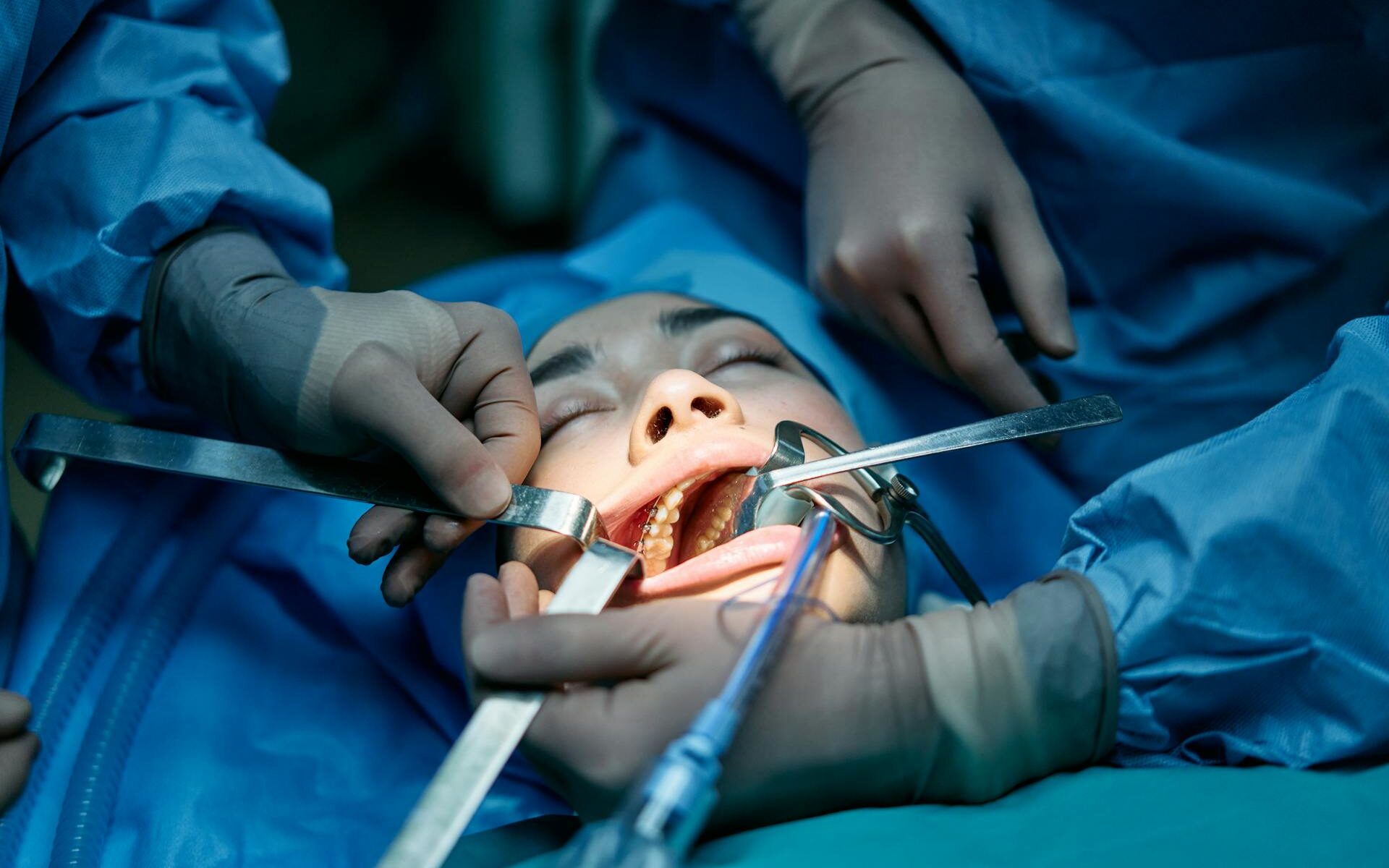
Dental shame involves a person being ashamed, self-conscious, or disappointed with their teeth. It can have severe consequences, as those with dental shame will often avoid the dentist. Now, this topic has been researched further, with recommendations for improvements being made. Hopefully, these recommendations will result in improved health outcomes.
Many people are afraid of going to the dentist. Yet for those who are ashamed of their teeth, this can be even more challenging.
Now, new research has found that shame can result in people avoiding getting treatment for dental issues – even when they desperately need it [1].
Therefore, their dental issues can worsen. Moreover, oral health inequalities can also become more prominent.
The researchers have suggested that a better understanding of dental shame could result in more people seeking help for their oral health issues [1].
Background
While there is no set definition of dental shame, it generally revolves around a person being ashamed, self-conscious, and disappointed with their teeth.
It will usually either be linked to oral health problems or due to the aesthetic appearance of teeth. This can be natural, or due to excessive sugar, drug, or tobacco usage.
Dental shame can result in a person being reluctant to go to the dentist, even when they are in desperate pain. It is also linked with low self-esteem and social isolation.
Past research has found that dental shame is associated with inhibited smiling, mouth-hiding, secrecy, embarrassment, and a feeling of powerlessness in relation to dental social situations [2].
The Research
The research was carried out by a team of researchers from universities in Denmark and the United Kingdom. Their findings have been published in the Community Dentistry and Oral Epidemiology journal [1].
The researchers came from a range of backgrounds and institutions. As a multidisciplinary team, they each brought their own expertise to provide recommendations and discussion points [1].
The researchers pointed out that dental shame is a difficult and complicated topic – and involves a range of factors and nuances [1].
They proposed five key aspects of oral health which involves dental shame, whilst also requiring further investigation. These five areas are clinical encounters, healthcare and social services, daily oral health behaviors, systemic inequities, and psychological trauma [1].
In terms of clinical encounters, the researchers suggest that patients often struggle with fear of judgment and neglect. For dentists, it can be difficult to navigate the balance between providing effective care and avoiding worsening their shame [1].
With healthcare and social services, the researchers note that patients will often struggle with other professionals – including mental health professionals and employment agencies [1].
Regarding the third area – daily oral health behaviors – dental shame can have an impact. The person may struggle to socialise and struggle to engage in everyday toothbrushing and flossing [1].
With systemic inequities, the researchers explain that healthcare fees can have a negative impact and affect those with financial difficulties. Moreover, those in marginalized or vulnerable communities may face additional challenges [1].
The final area is psychological trauma. The researchers explain that there is a strong connection between dental shame and psychological trauma, with those having experienced trauma very likely to be more shame prone [1].
These five areas are important areas for consideration. Furthermore, these five areas have provided a basis for recommendations to be made.
Recommendations
The researchers made a series of recommendations as part of their concluding remarks [1]. They believe these recommendations can alleviate the potentially severe consequences of dental shame.
The researchers made a series of recommendations as part of their concluding remarks [1]. They believe these recommendations can alleviate the potentially severe consequences of dental shame.
They have proposed that those working in the field of dentistry and other healthcare settings should be trained in shame competence [1].
The researchers have suggested that this should include addressing systemic barriers and designing empathetic and inclusive environments for care [1].
The researchers warned that healthcare practitioners can incite shame in patients, either intentionally or unintentionally [1]. While they acknowledge that attempting to motivate their patient towards positive behavior may seem beneficial, it can actually have the opposite effect.
Moreover, dental shame is an under-researched area. They have suggested that more research needs to be completed in order to better understand this topic.
Author Comments
The researchers also commented on the findings. Professor Luna Dolezal from the University of Exeter in the United Kingdom said that “shame can help explain why some people don’t like to expose their teeth to dentists” [3].
Continuing, Dolezal said that “dental shame is both a consequence and a determinant of oral health issues” [3]. Dolezal expanded, saying “it is a consequence because oral health issues can cause shame, and it is a determinant because it can act as a barrier to both daily dental care and engagement with dentistry” [3].
Therefore, dental shame can, according to Dolezal, turn into “a self-reinforcing spiral, where shame about oral health can lead to unfortunate oral health behaviors, which can potentially intensify oral health issues and inequities, leading to more shame” [3].
By addressing the issues caused by dental shame and improving knowledge of dental shame further, it should enable the topic to be handled more effectively, resulting in less harmful outcomes.
Moreover, it should also help to reduce inequities and improve overall health outcomes – including both oral and physical health.
Thinking points…
[1] Do you have dental shame? If so, hopefully by reading the above article, you’ll understand that you aren’t alone and that efforts are being made to tackle the issue. Please be assured that here at our Calgary dental clinic Savanna Dental, you will receive a warm welcome! We’ll be happy to help you, answer any questions, and provide reassurance and support. We would love to see you soon, to find out more about us, see our website – https://savannadental.ca!
[2] Attending the dentist regularly is very important. We recommend attending a check-up at least once every six months. At a check-up, a dentist will be able to take a thorough look at your oral health, suggest improvements, and provide advice. Regular appointments will help your oral health to be monitored effectively. We recommend that you book an appointment soon!
What we offer at Savanna Dental
Savanna Dental is a dental clinic based in Calgary, Alberta, Canada. We provide our patients with a range of treatment options and advice, with the aim of improving oral health and boosting overall wellbeing!
We advise our patients to attend our Calgary-based dental clinic twice a year for a dental check-up. If any problems are detected, we have many treatments available. For instance, these include cavity fillings and root canals. To try and prevent problems, it is important to brush your teeth at least twice a day and floss regularly.
Here at Savanna Dental, we also have some cosmetic treatments available! These include dental implants, tooth whitening and Invisalign™! Our patients find that these treatments have a positive impact on their appearance, confidence and self-esteem.
In addition, the fees of our services at our Calgary dental clinic Savanna Dental are set in line with the Alberta Dental Fee Guide.
We would love you to visit our Savanna Dental clinic in Calgary! You can find out more about us by visiting our website https://savannadentalclinic.ca/
References
[1] Folker, L., Dolezal, L., Jespersen, A. P., et al. (2025). Dental Shame: A Call for Understanding and Addressing the Role of Shame in Oral Health. Community Dentistry and Oral Epidemiology. DOI: https://doi.org/10.1111/cdoe.70019.
[2] Moore, R., Brodsgaard, I., & Rosenberg, N. (2004). The contribution of embarrassment to phobic dental anxiety: a qualitative research study. BMC Psychiatry. 4 (10). DOI: https://doi.org/10.1186/1471-244X-4-10.
[3] University of Exeter. (2025). Dental shame stops people seeking help for oral health issues, study warns. Available: https://medicalxpress.com/news/2025-10-dental-shame-people-oral-health.html. Last accessed: 15th October 2025.