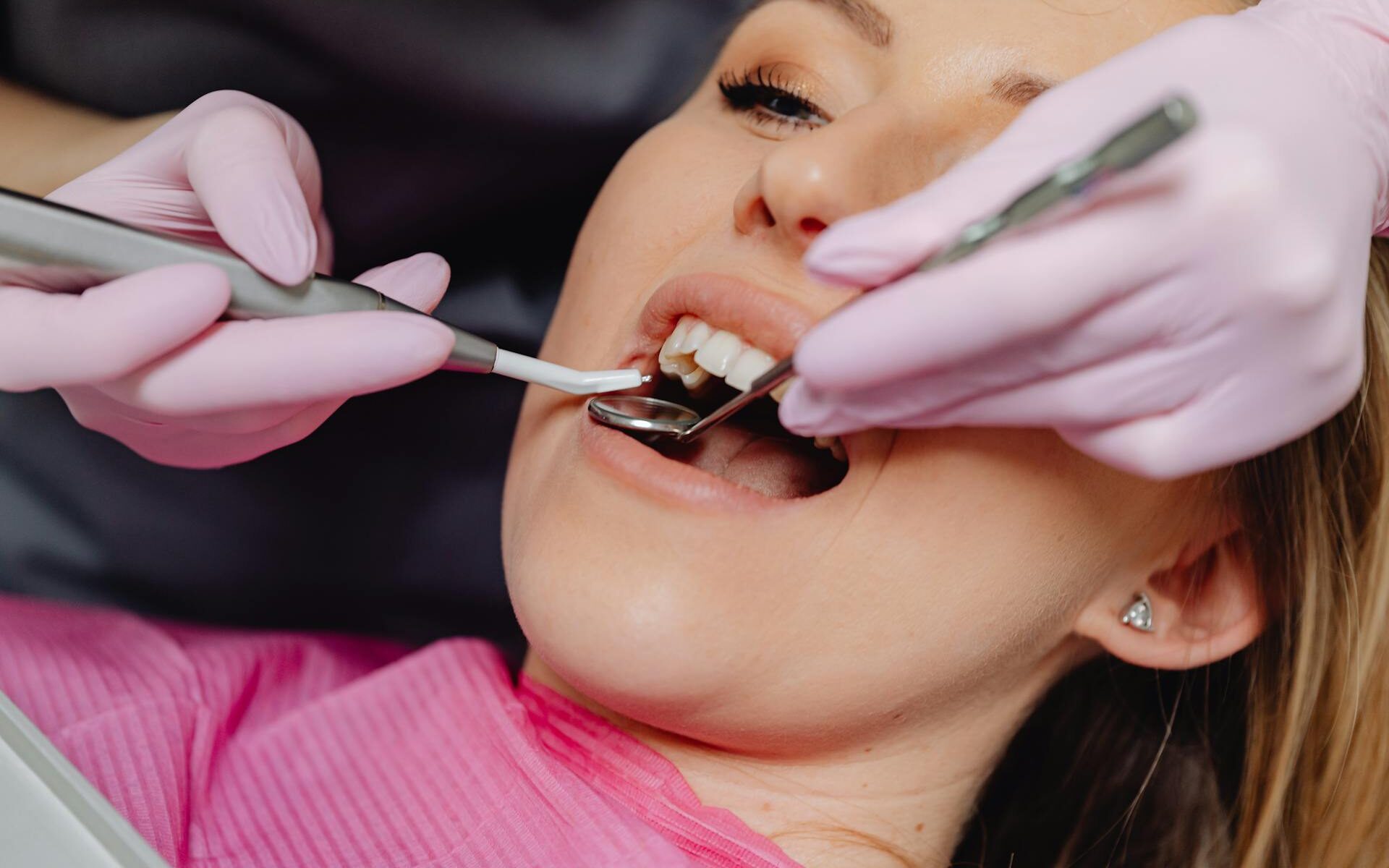
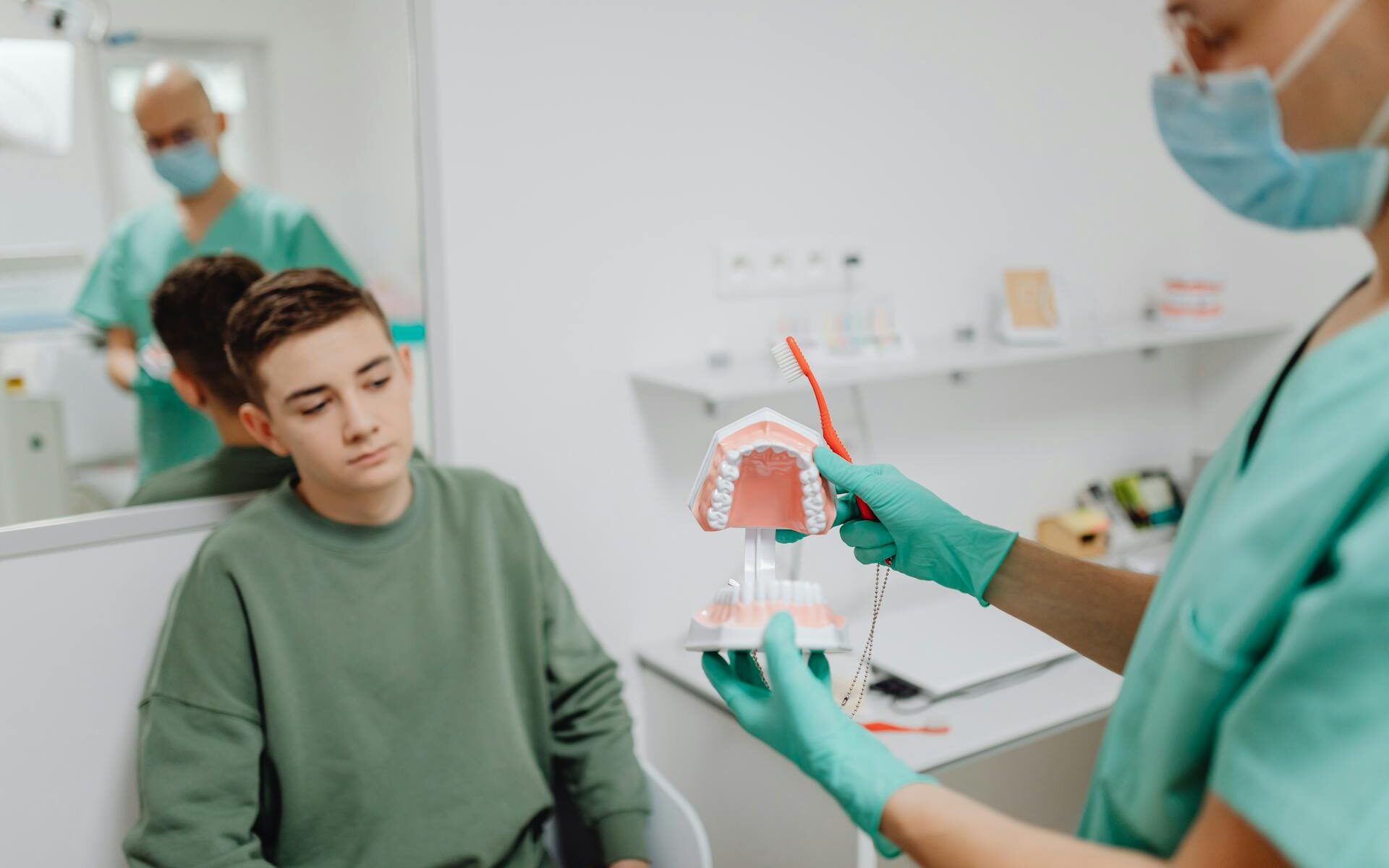
Antipsychotics are a class of medicines that are commonly used by people worldwide. They typically provide relief from severe mental health conditions. However, they are also associated with many side effects. Amongst these is poor oral health. Now, a research team has analyzed this connection in detail.
Antipsychotics are a group of medicines that are taken daily by millions of people around the world.
While they can have a positive impact on lessening the psychiatric symptoms of various mental health conditions, there are also some negative side effects.
Once such side effect is their connection to poor oral health. Now, a research team have carried out an analysis to explore this connection further [1].
About Antipsychotics
There are a range of medicines that fall under the class of antipsychotics. They are also known as neuroleptics or major tranquilizers.
Antipsychotics are used to treat mental health conditions. For example, Schizophrenia, Schizoaffective Disorder, and Bipolar Disorder all commonly involve antipsychotics [2].
Research suggests that approximately 3.8 million American adults were taking antipsychotics in 2020 – representing 1.6% of the adult population [3].
Antipsychotics are intended to treat the psychiatric symptoms of these conditions – such as hallucinations, delusions, and disturbed thoughts [2].
There are many different antipsychotics. The most well-known include Haloperidol, Aripiprazole, Lurasidone, and Quetiapine.
Unfortunately, antipsychotic use is associated with a range of side effects. Weight gain, dizziness, dry mouth, blurred vision, nausea, tremors, and sexual dysfunction are all common [2].
A situation often occurs where people have to prioritize their mental health at a cost of these side effects. Aside from the above side effects, there is also the connection with poor oral health.
The Research
The research was carried out by a team from the University of the Basque Country in Spain. Their findings have been published in the Oral Diseases journal [1].
The researchers stated that while the side effects of antipsychotics have been studied extensively, research on their oral impact is limited [1].
Therefore, the researchers were hoping to study the impact further. To do this, the researchers used data from the European pharmacovigilance database EudraVigilance [1].
This database aggregates reports of suspected side effects from medicines. The entries on the database are submitted by health professionals, patients, and pharmaceutical industry professionals [1].
The researchers analyzed 5,633 reports from this database. They were looking for any patterns, consistencies, whilst also comparing antipsychotics to other medicines [1].
The researchers revealed the most common problems [1]. Alteration of salivary flow was one of the biggest issues. For example, this involves excessive salivation or dry mouth [1]. Both are significant issues for oral health.
The researchers noted that the antipsychotics Olanzapine and Quetiapine were linked the most to dry mouth, whilst Clozapine was linked to excessive salivation [1].
Moreover, the researchers found that cavities, tooth loss, inflammation of the salivary glands, and tongue problems, are other common problems associated with antipsychotic use [1].
Again, Olanzapine and Quetiapine were specifically linked to tooth loss. Aripiprazole was linked to swollen tongues the most [1].
Other problems that were frequent included disturbance to tongue movement, gland enlargement, and involuntary movements of the mouth and jaw [1].
Interestingly, first-generation antipsychotics, also called ‘typical’ antipsychotics, were associated with oral issues more than second-generation antipsychotics [1].
The researchers also pointed out that reports of adverse reactions in the mouth are higher with antipsychotics compared to other drugs [1]. Therefore, this underlines the connection between these drugs and oral issues.
Summary
The findings are rather concerning. Clearly, there is a strong connection between antipsychotics and poor oral health.
It is important to note that not everyone taking antipsychotics will experience oral health problems. Furthermore, some people will just have minor issues.
Additionally, it is important to note that many people are unable to function without an antipsychotic. So they certainly have an important role in modern day society. However, their impact on oral health is regrettable.
Lead author Leire Urien discussed the findings. She noted that while “antipsychotic drugs are associated with adverse oral reactions,” this doesn’t “establish a causal relationship” [4].
Continuing, Urien said that instead, “it means that patients treated with antipsychotic drugs have a higher risk of developing oral conditions, and many of these diseases are likely to be associated with the adverse effects these drugs have on oral health” [4].
But while a causal relationship isn’t certain, there is definitely an association. This means that those who are taking an antipsychotic should take extra care of their oral health.
By doing so, it can give them the best chance of having good oral health and lessening any issues caused by the antipsychotics. Therefore, this can result in positive oral and mental health.
Thinking points…
[1] Based on the above, anyone who takes antipsychotics should ensure they adopt extra strong oral hygiene. But whether you take antipsychotics or not, taking care of your teeth and gums is very important! One thing that can contribute to this is having regular dental check-ups. Regular check-ups allow a dentist to track the progress of your teeth, provide regular advice, and step in when issues arise. We recommend that you book an appointment soon!
[2] Aside from antipsychotics, many other commonly dispensed medicines have side effects that can cause oral health problems. These include antidepressants, painkillers, blood pressure medicines, and some antihistamines. Therefore, make sure that if you take any of these medicines, that you are vigilant about potential problems. Make sure you take good care of your oral health while taking these medicines. If you know anyone taking a medicine listed above, you could share this article with them to make them aware of the potential problems!
What we offer at Savanna Dental
Savanna Dental is a dental clinic based in Calgary, Alberta, Canada. We provide our patients with a range of treatment options and advice, with the aim of improving oral health and boosting overall wellbeing!
We advise our patients to attend our Calgary-based dental clinic twice a year for a dental check-up. If any problems are detected, we have many treatments available. For instance, these include cavity fillings and root canals. To try and prevent problems, it is important to brush your teeth at least twice a day and floss regularly.
Here at Savanna Dental, we also have some cosmetic treatments available! These include dental implants, tooth whitening and Invisalign™! Our patients find that these treatments have a positive impact on their appearance, confidence and self-esteem.
In addition, the fees of our services at our Calgary dental clinic Savanna Dental are set in line with the Alberta Dental Fee Guide.
We would love you to visit our Savanna Dental clinic in Calgary! You can find out more about us by visiting our website https://savannadentalclinic.ca/!
References
[1] Urien, L., Lertxundi, U., Garcia, M., et al. (2025). Oral Adverse Effects of Antipsychotic Medications: A Case/Noncase Analysis of EudraVigilance Data. Oral Diseases. (Pre-publication issue). DOI: https://doi.org/10.1111/odi.15337.
[2] Mental Health General. (2023). Everything You Need To Know About Antipsychotics. Available: https://www.mentalhealthgeneral.com/everything-you-need-to-know-about-antipsychotics/. Last accessed: 25th July 2025.
[3] Dennis, J. A., Gittner, L. S., Payne, D., & Nugent, K. (2020). Characteristics of U.S. adults taking prescription antipsychotic medications, National Health and Nutrition Examination Survey 2013–2018. BMC Psychiatry. 20 (483). DOI: https://doi.org/10.1186/s12888-020-02895-4.
[4] Lock, L. (2025). Exploring the adverse effects of antipsychotic medications on oral health. Available: https://medicalxpress.com/news/2025-07-exploring-adverse-effects-antipsychotic-medications.html. Last accessed: 25th July 2025.